

How Does Assisted Living Make It Possible for Couples to Stay Together?
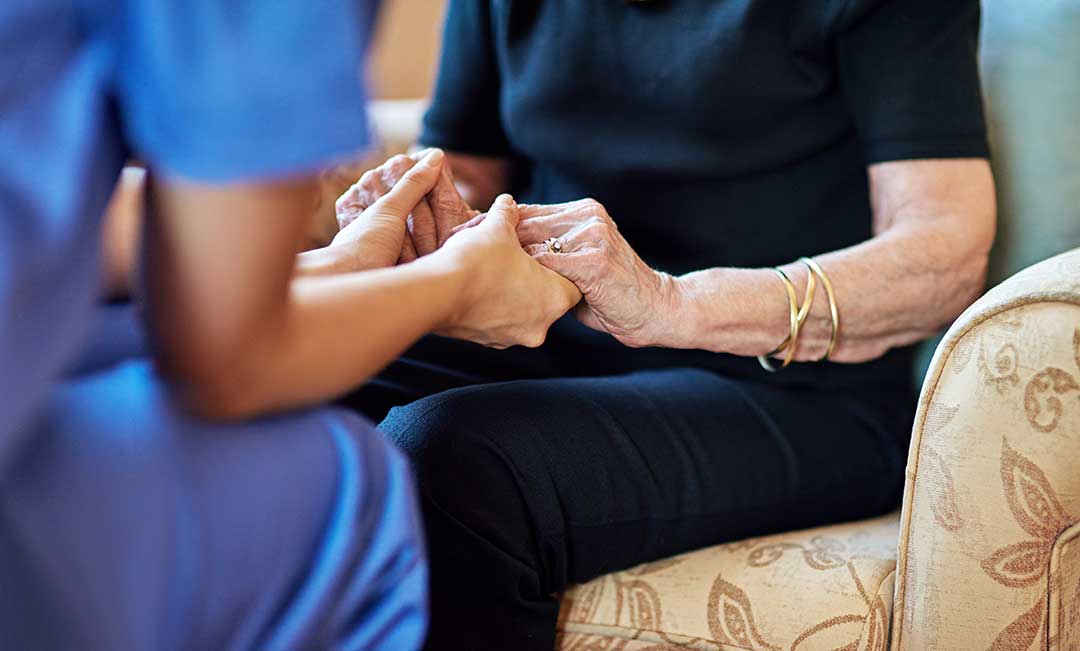
Assisted living communities in Clairton, PA support couples by providing a home-like environment where both partners can continue to live together, even if their care needs are different. These communities offer tailored plans so that each individual receives appropriate assistance, while still sharing the same apartment or suite. For many local couples, this option preserves emotional bonds and routines, helping both partners age together in familiar company.
Assisted living staff typically assess each resident to understand their healthcare, mobility, and personal needs. In cases where one partner needs more support – for example, help with bathing, dressing, or medication – these services are delivered individually, allowing the other partner to remain as independent as possible. This flexibility addresses a common concern among area households: that a health decline in one spouse might otherwise force a permanent separation.
What Kinds of Support Are Available for Couples?
Couples living in assisted living communities in the city have access to care plans designed to respect their unique daily rhythms and preferences. The following types of support can be adapted to each partner’s needs:
- Health Monitoring: Regular wellness checks are provided to track each person’s condition and adjust care as things change.
- Personal Care Services: Assistance with daily activities, such as medication reminders, grooming, or mobility support, is delivered as needed, not assumed for both partners.
- Meal Services: Couples can share mealtimes together in their residence or in communal dining areas, accommodating individual dietary requirements.
- Housekeeping and Laundry: These services reduce stress on both partners, making daily living more manageable.
- Social Programs: Group activities are available for both individuals and couples, offering a chance to stay engaged with peers and maintain important social connections.
This arrangement helps prevent the exhaustion or isolation that can happen when one partner is the sole caregiver in a private residence.
Can Couples with Different Care Needs Still Live Together?
Yes, couples often move to assisted living because one spouse needs more care than the other. Assisted living enables each partner to receive the right level of assistance under the same roof—something that can be difficult, or risky, to manage at home without access to professional help.
For example, if a husband requires help with medication supervision and his wife is still largely independent, she won't lose her autonomy, nor will he go without proper supervision. This flexibility is matched to each situation. In some instances, the more independent partner may also find motivation and community connections they wouldn't have outside of this setting.
Is Privacy Still Possible for Couples in Assisted Living?
Privacy is often a priority concern for couples considering a move to a communal setting. Most area assisted living communities offer private apartments or suites designed with couples in mind. These accommodations usually include a bedroom, living area, and private bathroom, allowing couples to enjoy personal space while benefiting from the support services available just outside their door.
Residents can choose how much they wish to participate in group activities or use shared spaces such as patios or lounges. Care staff understand the importance of respecting boundaries and schedule visits or assistance based on residents’ preferences whenever possible.
How Does Living in Assisted Living Affect a Couple’s Relationship?
Remaining together in an assisted living environment can provide emotional comfort, reduce anxiety, and help couples maintain their relationship’s continuity. Familiar routines, shared meals, and the daily presence of a spouse often contribute significantly to emotional well-being. For many couples in Clairton, the ability to remain together mitigates the sense of loss that can occur when caregiving becomes overwhelming in a home environment.
Additionally, assisted living can strengthen relationships by relieving the practical and emotional burden that falls on the healthier spouse. The supportive environment frees time and energy for shared activities, conversation, or simply enjoying each other's company. Instead of the focus being entirely on caregiving, couples can reconnect over interests and hobbies supported by the community.
What Are Common Misconceptions About Couples in Assisted Living?
Some couples hesitate to explore assisted living due to misunderstandings:
- Myth: "We'll be split up automatically."
*Fact:* Most communities prioritize keeping couples together and only suggest alternative arrangements if severe medical needs arise that require a different level of care.
- Myth: "Only people needing significant help can move in."
*Fact:* Many residents are largely independent and seek a secure, maintenance-free environment with social opportunities.
- Myth: "We’ll lose privacy or independence."
*Fact:* Modern assisted living provides private living areas and allows residents to set their own schedule for support and participation.
How Do Local Conditions in Clairton, PA Influence Assisted Living for Couples?
Seasonal weather, household patterns, and social connections play a role in the decision-making process in Clairton. Local winters can bring mobility concerns, making in-home caregiving more difficult. Assisted living communities are designed to ensure couples remain safe and comfortable year-round, with maintenance, meals, and wellness checks included—factors particularly valuable during icy conditions when isolation can be a risk.
Furthermore, the city’s resident population often has deep family ties and strong social traditions. Couples can maintain connections with family, friends, and local organizations, as assisted living communities frequently facilitate family visits and provide transportation for activities in and around the community.
Local housing patterns, with many older homes not equipped for accessibility or multi-level living, also make assisted living an appealing alternative as mobility needs shift with age.
What Should Couples Consider Before Moving?
Couples are encouraged to discuss:
- Care needs for each partner, both now and projected for the future
- Apartment features that support daily routines and privacy
- Proximity to family and familiar local resources
- Lifestyle preferences, including interest in social activities and community involvement
Visits to several local communities by both partners can offer a realistic picture of daily life and help clarify what will feel most like home.
