
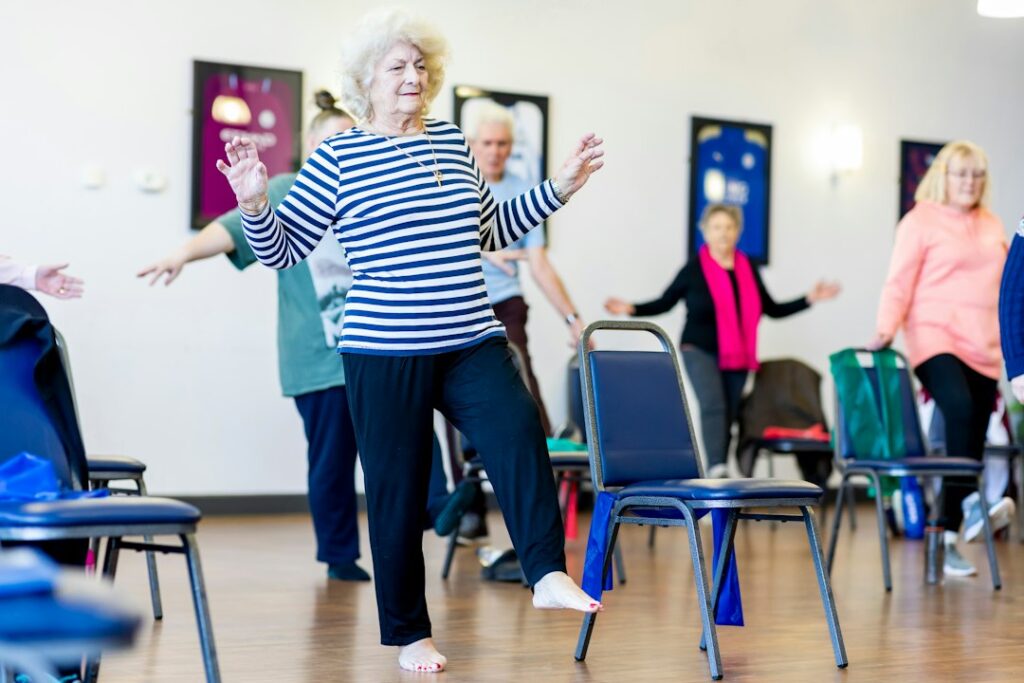
Moving into assisted living does not mean giving up independence or personal routines. Healthy aging is supported by daily habits that protect strength, balance, nutrition, sleep, emotional well-being, and connection with other people. For residents in Clairton, PA, the most useful plan is one that fits individual abilities, medical needs, living arrangements, and seasonal conditions.
What does healthy aging mean in assisted living?
Healthy aging means maintaining the best possible physical, mental, and social well-being while adapting safely to changes over time. It does not require perfect health or strenuous exercise.
A practical healthy-aging routine may include:
- Moving the body regularly
- Eating enough nutritious food and drinking adequate fluids
- Getting consistent sleep
- Preventing falls and medication problems
- Staying connected with family, friends, and neighbors
- Participating in meaningful activities
- Keeping up with health visits, screenings, and recommended vaccines
Assisted living can make these habits easier by providing regular meals, activity opportunities, reminders, and social contact. Residents should still speak up when a routine is uncomfortable, difficult, or no longer meets their needs.
How much exercise should assisted living residents get?
Older adults benefit from a combination of aerobic activity, muscle strengthening, and balance exercises. The general goal is up to 150 minutes of moderate activity each week, along with muscle-strengthening activities on at least two days and regular balance practice. Residents with chronic conditions or limited mobility should be as active as their abilities allow rather than assuming they must meet a fixed number.
Short periods of movement count. Examples include:
- Walking in an indoor hallway or common area
- Participating in chair-based exercise
- Rising from a chair several times with support
- Using resistance bands
- Practicing gentle leg lifts or arm movements
- Dancing while seated or standing
- Taking part in tai chi, stretching, or balance activities
A resident who has been inactive can begin with five minutes at a time and gradually increase duration. Exercise should not cause chest pain, severe shortness of breath, faintness, or unusual weakness. Those symptoms require prompt medical attention.
Cold temperatures, snow, ice, and reduced daylight can make outdoor activity less predictable during winter. Indoor walking routes, supervised group activities, and chair exercises can help maintain movement when sidewalks or outdoor paths are unsafe.
What foods support healthy aging?
Older adults need enough protein, calories, fiber, vitamins, and fluids to preserve muscle, support bones, and maintain energy. A healthy meal does not have to be complicated.
Useful choices may include:
- Eggs, fish, poultry, beans, yogurt, cottage cheese, or other protein foods
- Vegetables and fruit in a variety of colors
- Whole-grain breads, cereals, rice, or pasta
- Healthy fats such as nuts, seeds, avocado, or vegetable oils
- Milk or fortified alternatives when appropriate
- Water served regularly throughout the day
Poor appetite should not be dismissed as a normal part of aging. Unplanned weight loss, difficulty chewing or swallowing, repeated nausea, or a sudden change in food preferences should be reported to the appropriate care team.
Some residents need modified textures, lower-sodium meals, diabetic meal planning, or special instructions related to kidney, heart, or digestive conditions. Food changes should be based on the resident’s medical plan rather than general advice from friends or online sources.
Thirst may become less noticeable with age. Drinking fluids regularly can help reduce the risk of dehydration, constipation, dizziness, and confusion. Fluid limits may apply to some heart or kidney conditions, so individual instructions should be followed.
How can residents lower their risk of falls?
Falls are not an unavoidable part of aging. Many risks can be reduced by combining strength and balance training with a safer daily environment.
Residents can help by:
- Wearing supportive shoes with nonslip soles
- Keeping eyeglasses and hearing devices clean and available
- Using prescribed mobility equipment correctly
- Rising slowly from bed or a chair
- Keeping frequently used items within easy reach
- Reporting loose rugs, poor lighting, wet floors, or clutter
- Asking for assistance when feeling dizzy, weak, or unsteady
- Avoiding walking in socks on smooth floors

Medication changes can sometimes cause sleepiness, dizziness, blurred vision, or low blood pressure. A new fall, near-fall, or repeated feeling of unsteadiness should be reported rather than hidden. These events may reveal a correctable problem.
During icy weather, residents should avoid unnecessary outdoor walking unless routes are clearly safe and assistance is available. Indoor activity is a safer substitute when conditions are hazardous.
How do sleep and mental activity affect healthy aging?
Most older adults need roughly seven to nine hours of sleep, although individual needs vary. A consistent schedule, a calm bedtime routine, comfortable room temperature, and limited late-day caffeine may improve rest.
Daytime habits also matter. Regular movement, exposure to natural light, and avoiding long late-afternoon naps may support nighttime sleep. Loud noise, pain, nighttime bathroom trips, medication effects, or breathing problems can interfere with rest and should be discussed with the care team.
Mental activity does not need to resemble a classroom lesson. Reading, music, puzzles, writing letters, learning a new skill, discussing current events, organizing photographs, and telling family stories all provide mental stimulation. Familiar activities can be especially valuable when memory or concentration has changed.
New or rapidly worsening confusion is not simply normal aging. Sudden confusion, unusual sleepiness, agitation, or a major change in behavior should be reported promptly because illness, dehydration, infection, medication effects, or other health problems may be involved.
Why are social connections important?
Regular social contact supports emotional health and can make daily routines more enjoyable. A resident does not need to attend every group activity to stay connected. Meaningful contact may include eating with another resident, calling a family member, joining a card game, attending a faith-based activity, helping with a shared project, or talking with staff during a familiar daily routine.
Residents who prefer quiet activities can still benefit from one-to-one visits, small groups, music, gardening projects, or time with a companion animal when permitted. Social participation should be inviting rather than forced.
Persistent sadness, loss of interest, hopelessness, anxiety, or withdrawal deserves attention. Depression is treatable and should not be accepted as an inevitable part of growing older.
Which health appointments and preventive steps matter?
Healthy aging includes managing existing conditions before they interfere with daily life. Residents should keep an updated list of diagnoses, medications, allergies, emergency contacts, and health instructions.
Routine preventive care may include:
- Medication reviews
- Vision and hearing checks
- Dental care
- Blood pressure and diabetes monitoring when recommended
- Vaccinations appropriate for age and medical history
- Cancer or bone-health screenings when advised
- Follow-up after a fall, hospitalization, or sudden health change
Residents and families can help by keeping questions written down before appointments and reporting changes in appetite, walking ability, sleep, mood, memory, or continence. Small changes are often easier to address when reported early.
Healthy aging in assisted living is not about doing everything independently. It is about preserving choice, function, safety, and quality of life while accepting the right amount of support.
