
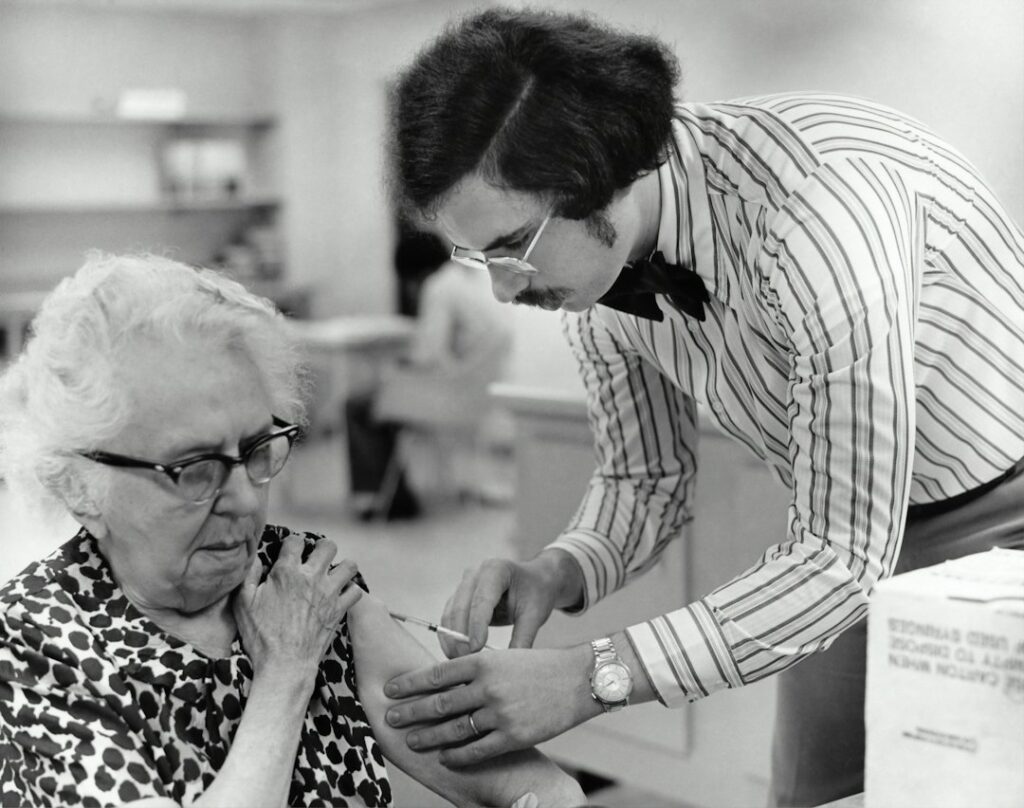
Medication management in assisted living is a structured process designed to help residents take the right medicine, in the right amount, at the right time. Depending on a person’s abilities and care plan, staff may provide reminders, secure storage, or full medication administration.
What does medication management include?
Medication management covers more than handing someone a pill. It may include reviewing the medication list, storing medicines safely, following prescriber instructions, documenting each dose, and watching for possible side effects.
A resident may receive several levels of support:
- Independent self-administration: The resident identifies each medication, knows the dose and schedule, opens the container, and takes or applies the medicine.
- Self-administration with assistance: Staff may store the medicine securely, remind the resident about the schedule, bring the medication at the prescribed time, or help open the container.
- Partial assistance: A resident may manage some medications but need staff to administer others.
- Full administration: Trained and authorized staff handle the medication process because the resident cannot safely manage it independently.
The level of help should be based on an assessment rather than age alone. A resident who manages medications safely at move-in may need more support later if memory, vision, mobility, or health status changes.
How is a resident’s ability assessed?
Before or soon after admission, the residence reviews the person’s medical information and medication needs. In Pennsylvania, the assessment and support plan identify whether the resident can self-administer medications, needs reminders, or requires medication administration.
A medical evaluation may consider:
- The resident’s diagnoses and allergies
- Current prescription, over-the-counter, and other approved medications
- The ability to recognize each medication
- The ability to understand the prescribed amount
- The ability to know when the medication should be taken
- The ability to remove medication from its container
- Memory, vision, hand strength, coordination, and judgment
- Any recent hospital stay, fall, confusion, or change in health
A resident may be capable of self-administering one medication but not another. For example, someone might safely take a morning tablet but need help with eye drops, insulin, inhalers, patches, or medicines requiring a precise measurement.
Assessments are generally reviewed at least annually and after a significant change in condition. A sudden increase in forgetfulness, repeated missed doses, a medication error, or a new diagnosis may prompt a review sooner.
Who gives medications in assisted living?
Medication administration may be performed by licensed health professionals or by staff who have completed Pennsylvania-approved medication administration training, within the limits of state rules and the residence’s policies.
Training addresses practical safety steps such as identifying the correct resident, checking the medication and dose, following timing instructions, recognizing side effects, documenting administration, and reporting concerns. Staff who administer insulin have additional diabetes-related training requirements.
The exact staffing model differs among residences. Some have nurses available on certain shifts, while trained medication staff may handle routine oral, topical, eye, ear, or nose medications. Residents and families should ask which types of medications staff can administer and whether nursing support is available around the clock.
Assisted living is not the same as a hospital or skilled nursing facility. A residence may not be equipped to provide every type of medical treatment or the level of monitoring needed for a person with complex, unstable health needs.
How are medications stored and tracked?
Medications that staff administer are usually kept in a secured location. Storage procedures are intended to reduce mix-ups, contamination, accidental ingestion, theft, and access by other residents.
A medication administration record, often called a MAR, records information such as:
- The resident’s name
- The medication and strength
- The prescribed dose and route
- The scheduled time
- The date and time given
- Missed, refused, held, or otherwise unusual doses
- Relevant observations or follow-up actions
Medication should remain in the original pharmacy container or another approved packaging system that clearly identifies the resident and medication. Changes to a prescription generally require written instructions from the prescriber, except for limited situations governed by nursing and state rules.
A resident who self-administers may still need secure storage. In a private living unit, locking the unit when it is empty may meet the security requirement in some circumstances. Otherwise, a locked drawer or medication box may be required.
What happens when a dose is missed or refused?
A missed or refused dose should not simply be ignored. Staff typically document what happened and follow written procedures for notifying the nurse, prescriber, pharmacist, or responsible family member when appropriate.
The correct response depends on the medication. Some medicines can be taken later, while others should not be doubled or delayed without instructions. Residents should not take an extra dose to “catch up” unless a qualified prescriber or pharmacist gives specific direction.
Families can help by asking how the residence handles:
- Refused medications
- Vomiting after a dose
- A medication found on the floor
- A resident who is asleep at the scheduled time
- A pharmacy delivery delay
- A medication error
- A prescription discontinued during a hospital stay

These questions reveal whether there is a clear process for unusual situations.
How are prescription changes handled?
Medication changes are common after a doctor’s visit, emergency department visit, hospital discharge, or change in symptoms. The residence should receive clear instructions before staff begin, stop, or alter a medication.
A safe transition includes comparing the old and new medication lists, checking for duplicate drugs, confirming discontinued medications, and updating the MAR. Families should provide discharge paperwork promptly and ask who is responsible for communicating changes to the residence and pharmacy.
This is especially important during winter illnesses, when dehydration, respiratory infections, and falls may lead to urgent medical visits. A medication list kept in an easily accessible place can help emergency personnel understand what the resident is taking.
What should families ask before choosing assisted living?
Medication policies vary, even among residences operating under the same state regulations. Useful questions include:
- Does the residence provide medication reminders, full administration, or both?
- Which staff members may administer medications?
- Is a nurse available overnight, on weekends, or only during certain shifts?
- How often are medication records reviewed?
- How are new prescriptions and hospital discharge orders verified?
- Who contacts the prescriber about side effects or missed doses?
- How are controlled substances, insulin, inhalers, eye drops, and as-needed medications handled?
- Can residents self-administer medications in their rooms?
- What happens if a resident’s medication needs become more complex?
- Are medication services included in the base monthly charge or assessed separately?
Clear answers matter because “medication assistance” can mean a reminder in one setting and hands-on administration in another.
What can residents do to make medication management safer?
Residents should keep an up-to-date medication list that includes prescriptions, over-the-counter products, vitamins, supplements, allergies, and the name of each prescribing clinician. The list should be reviewed after every medical appointment or hospital visit.
Residents and families should also report dizziness, unusual sleepiness, confusion, nausea, rash, swelling, falls, or changes in appetite. These symptoms may have many causes, but they can sometimes relate to a medication or interaction.
For households in Clairton, seasonal weather can also affect routines. Snow, icy sidewalks, power interruptions, or transportation delays may interfere with pharmacy deliveries and medical appointments. Asking how the residence maintains medication supplies during disruptions can prevent avoidable gaps in treatment.
Medication management works best when the resident, family, prescriber, pharmacist, and assisted living staff share accurate information. The goal is not to take away independence unnecessarily, but to provide the least restrictive level of help that remains safe and workable.
