
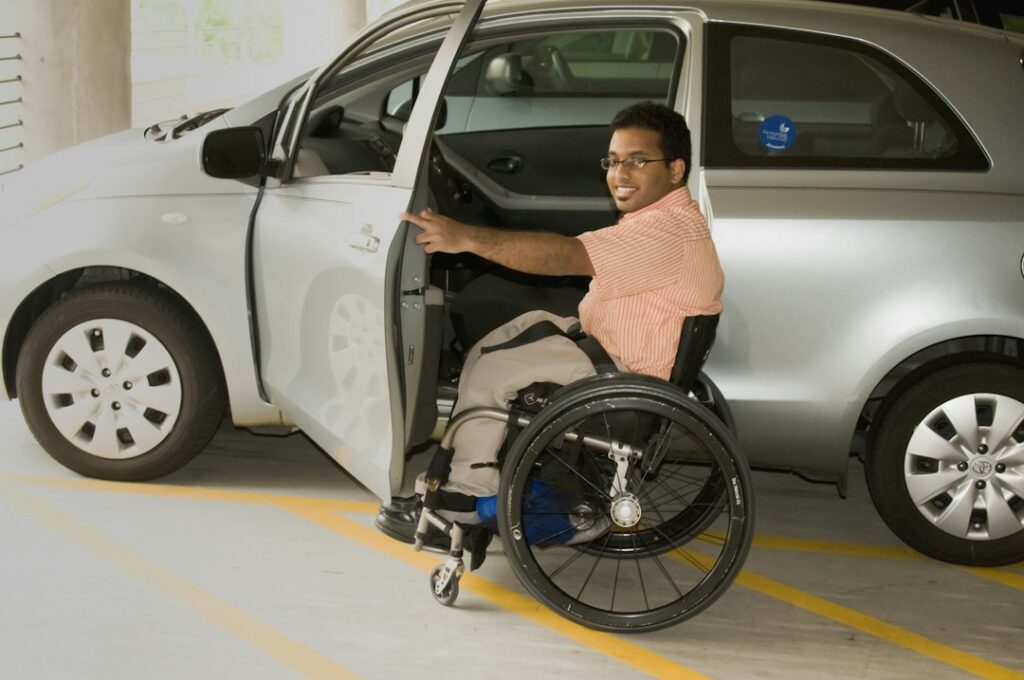
Transportation is a daily support that helps assisted living residents remain connected to medical care, family, shopping, faith communities, recreation, and ordinary errands. In Clairton, PA, transportation planning can be especially useful during winter weather, periods of reduced daylight, and appointments that require travel beyond the immediate neighborhood.
What transportation services are usually available in assisted living?
Assisted living residences generally provide or arrange scheduled transportation for residents’ medical and social needs. Pennsylvania regulations require assisted living residences to make transportation available on a regular weekly basis so residents can schedule medical and social appointments within a reasonable local area.
The exact service varies by residence. Transportation may include:
- Scheduled group outings
- Medical appointment trips
- Pharmacy and essential shopping trips
- Visits to banks, libraries, or community activities
- Family visits or special events
- Transportation to religious services
- Rides for hair appointments or personal errands
Some trips may be included in the monthly cost, while others may involve an additional fee. The written residency agreement should explain the schedule, service area, fees, cancellation rules, and whether an escort is included.
A residence may use its own vehicle, a contracted transportation service, or another arranged option. The important question is not simply whether transportation exists, but whether it matches the resident’s actual mobility and scheduling needs.
How far in advance must a ride be scheduled?
Advance notice depends on the residence and the type of trip. Routine group outings may require several days of notice, while medical appointments may have separate scheduling procedures. Same-day transportation is often limited because vehicles and drivers may already be assigned.
Before moving into assisted living, ask:
- How many days in advance must a ride be requested?
- Are recurring appointments reserved on a regular schedule?
- What happens if an appointment runs late?
- Is there a limit on the number of trips each week?
- Are evenings, weekends, or holidays covered?
- Does the vehicle wait during an appointment or return later?
- Is transportation available for urgent but non-emergency needs?
Emergency transportation is different. A life-threatening emergency should be handled through emergency services rather than a routine assisted living vehicle.
Is transportation included in the cost of assisted living?
Sometimes, but not always. Many residences include basic local transportation in their standard services, while longer trips, private appointments, or special outings may have separate charges.
Families should request a written explanation of transportation costs rather than relying on a general statement such as “transportation is available.” Important details include:
- Whether the charge is per trip, per mile, or a flat monthly amount
- Whether an accompanying family member pays a fee
- Whether wheelchair transportation costs more
- Whether missed or canceled rides are charged
- Whether transportation is available for non-medical activities
- Whether the service area changes based on the type of appointment
A clear fee policy makes it easier to compare residences and plan a realistic monthly budget.
What if a resident uses a wheelchair, walker, or oxygen?
Mobility equipment should be discussed before transportation is needed. A wheelchair-accessible vehicle may be necessary if a resident cannot safely transfer into a standard passenger seat. Some vehicles can transport a folding wheelchair but cannot accommodate a person seated in a power wheelchair.
Ask whether the vehicle has:
- A working lift or ramp
- Securement equipment for wheelchairs
- Adequate space for walkers
- Seat belts and handholds
- Storage for medical equipment
- Climate control during loading and unloading
- Staff trained to assist with boarding
A walker should be secured rather than left loose in the passenger area. Oxygen equipment also requires careful handling and should be disclosed in advance. Portable oxygen may be permitted under transportation policies, but residents should never assume that every vehicle can safely carry every type of equipment.
Transportation staff may assist with routine boarding, but they may not be able to provide the level of physical support required for a resident who needs two-person transfers or extensive medical monitoring. That limitation should be identified during care planning.
Can transportation staff accompany a resident inside an appointment?
Not automatically. A driver may provide curb-to-curb transportation but may not enter a medical office, remain in the waiting room, or speak with clinical staff unless the service specifically includes an escort.
This distinction matters for residents who have memory loss, hearing difficulty, vision impairment, or trouble managing paperwork. A family member, designated representative, or separately arranged escort may be needed.
For medical visits, prepare a small travel folder containing:
- Appointment details
- Medication information
- Insurance cards
- Emergency contacts
- Questions for the clinician
- Mobility or communication needs
- Return-trip instructions

If a resident may become confused or wander, the transportation plan should address supervision from the residence door through the return home.
How should transportation be planned during winter?
Winter conditions can affect both safety and timing. Ice, snow, freezing rain, and early darkness can make the short distance between a building entrance and a vehicle hazardous. In hilly or uneven areas, a route that is manageable in good weather may become unsafe after a storm.
Useful planning questions include:
- Are walkways cleared before scheduled departures?
- Is there a covered or sheltered loading area?
- What happens when roads are unsafe?
- How are delayed or canceled appointments communicated?
- Can a ride be rescheduled without a penalty?
- Are residents helped with coats, bags, and mobility devices?
- Is the return trip confirmed if weather worsens during the appointment?
Residents should dress for the outdoor transfer, even when the vehicle is expected to arrive close to the entrance. A warm coat, nonslip footwear, gloves, and clearly labeled personal items can reduce avoidable problems.
What alternatives exist when assisted living transportation is unavailable?
Other transportation options may include family rides, public transit, shared-ride programs, paratransit, volunteer transportation, or transportation coordinated through Pennsylvania’s aging-services network. Eligibility, advance-notice requirements, fares, and wheelchair policies differ by program.
The residence’s care coordinator or social services staff may help a resident understand which public or community transportation options are available. Residents should ask specifically about transportation for older adults, people with disabilities, and individuals who cannot safely use fixed-route transit.
A public transportation option may be affordable but still unsuitable if it requires a long walk, multiple transfers, standing outdoors, or independent navigation. The most appropriate choice depends on the resident’s balance, endurance, cognition, vision, hearing, and ability to manage unexpected changes.
What should families ask before choosing assisted living?
Transportation can affect whether a resident keeps medical appointments, maintains social connections, and continues familiar routines. A practical review should include an actual conversation with the residence about transportation rather than relying only on a brochure.
Ask for answers to these questions:
- What trips are included?
- How often does the vehicle operate?
- How large is the usual service area?
- How are recurring medical appointments scheduled?
- Are vehicles wheelchair accessible?
- Can a resident travel with a walker, oxygen, or service animal?
- Is a staff escort available?
- What fees may apply?
- What happens during severe weather?
- Who is notified if a resident is delayed or does not return as expected?
Transportation is most useful when it is predictable, accessible, and connected to the resident’s care plan. For households in Clairton, planning should account for seasonal road conditions, appointment travel time, mobility equipment, and the resident’s need for independence without overlooking supervision or safety.
